
Many nonprofits ask for logos. What they’re really asking for is clarity.
Clarity around who they are, what they stand for, and how they want to be understood. A logo on its own can’t do that work. At best, it’s a symbol. At worst, it becomes a stand-in for deeper questions that haven’t been fully explored.
In my work, this comes up often. Organizations ask for a logo because that’s the language they have, not because it’s the full solution they need. As I shared on the Logo Geek Podcast, a logo is usually just the most visible part of something much larger. Once the conversation shifts to mission, audience, and longevity, it becomes clear that branding isn’t cosmetic — it’s foundational.
A Logo Isn’t the Story
A logo doesn’t tell the story of an organization. It represents it.
Without clear branding behind it, a logo has no context. It gets applied inconsistently or redesigned prematurely. Not always because it’s poorly made, but because there’s nothing holding it in place.
For nonprofits especially, a logo without a system becomes a liability. It can’t carry the weight of the mission on its own, and it shouldn’t be expected to.
Branding as Infrastructure
Nonprofits run on trust. Trust from donors, partners, volunteers, and the communities they serve. Branding, when done well, supports that trust quietly and consistently.
A strong brand system creates alignment. It helps people recognize the organization quickly and understand it without being over-explained. Over time, that consistency builds familiarity. Familiarity builds confidence.
This is where branding stops being about how something looks and starts being about how it works. I’ve seen this most clearly in work with nonprofit organizations, where a clear identity system helped support communication across platforms without adding complexity.
When branding functions as infrastructure, it gives organizations a shared language. It reduces friction internally and removes confusion externally. Instead of solving the same communication problems over and over again, teams can focus their energy on the work itself.
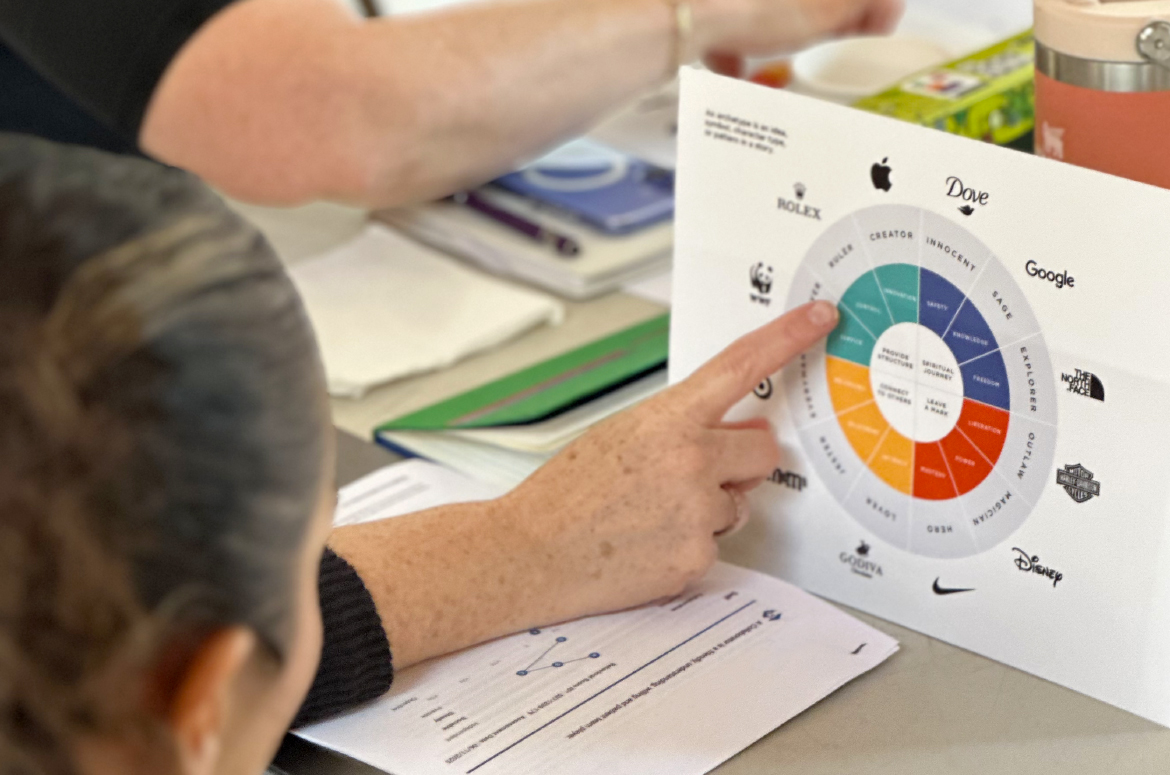
Clarity Before Aesthetics
One of the most important parts of any branding process happens before anything is designed. It’s the moment where the conversation shifts from what should this look like? to what does this need to communicate? For many nonprofits, that distinction is the difference between an identity that simply exists and one that actually connects with the people it’s meant to serve.
In my Canvas Rebel interview, I talked about being drawn to work that carries beyond the organization itself — branding that doesn’t just support the nonprofit, but the people it exists to serve. That way of thinking requires clarity first. Without it, even the strongest visuals struggle to do meaningful work.
When clarity comes before aesthetics, identity stops being decorative and starts being functional. It becomes a tool for connection, understanding, and trust — not just recognition.
Doing More With Less
Nonprofits are often asked to do more with fewer resources. That makes clarity even more valuable.
When an organization has a clear brand system, it doesn’t have to reinvent itself with every campaign, program, or partnership. Communications feel connected instead of fragmented. Materials feel intentional instead of rushed.
The brand becomes a multiplier — not because it’s flashy, but because it reduces friction and supports focus.
Belief Made Visible
At its core, a brand identity is a belief system made visible.
For nonprofits, that belief is the reason people show up, give, and stay involved. A logo can represent that belief, but only if it’s anchored to something deeper. Without that foundation, even the strongest mark becomes surface-level.
Nonprofits don’t need to be louder. They need to be clearer.
Clarity Is the Work
Logos matter, but they’re not enough.
When nonprofits invest in branding as a system — not just a symbol — they create the conditions for trust, consistency, and longevity. Branding becomes infrastructure, not ornament. And over time, that infrastructure supports the mission in ways a logo alone never could.
If this way of thinking about identity matters to your organization, let’s talk.