
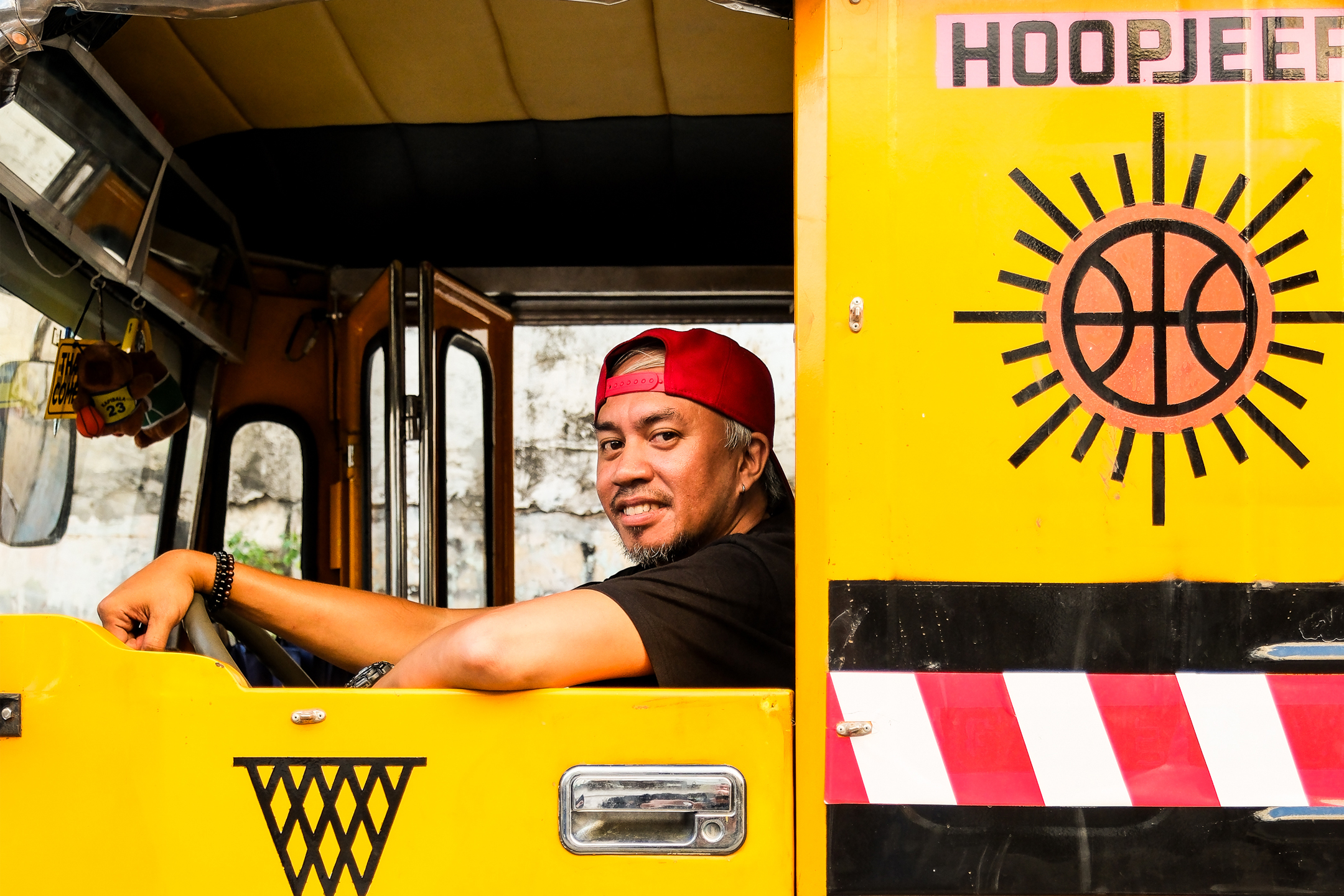
HoopJeep
Created by Hoopbus, HoopJeep marks the organizations expansion into the Philippines—bringing the game directly into the streets, neighborhoods, and communities that define it.
Rather than existing in a single place, the system was designed to travel, adapting across environments, people, and moments while maintaining a clear and recognizable identity.
From the vehicle itself to apparel, objects, and courts, the work extends beyond branding into a living system that carries the energy of the game wherever it goes.
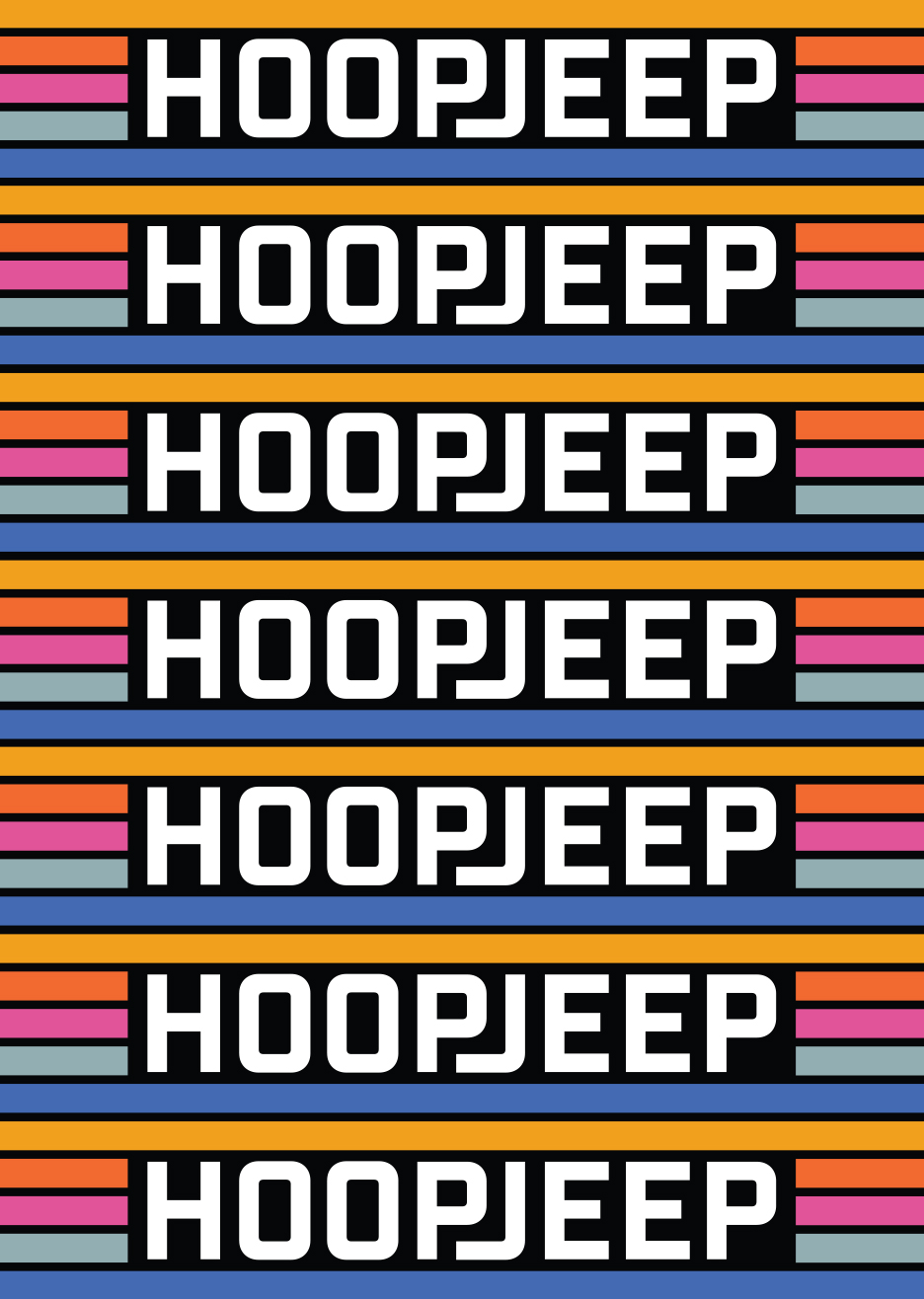


A System in Motion
A flexible visual language—color, typography, symbols, and pattern—allows the system to adapt across surfaces without losing cohesion. It could scale from the side of a vehicle to a basketball, from signage to apparel, from objects to environments. The identity was built to move.
Instead of relying on static applications, the system responds to context. It shifts while remaining unmistakably connected. Consistency comes not from repetition, but from rhythm.
A Vehicle As Platform
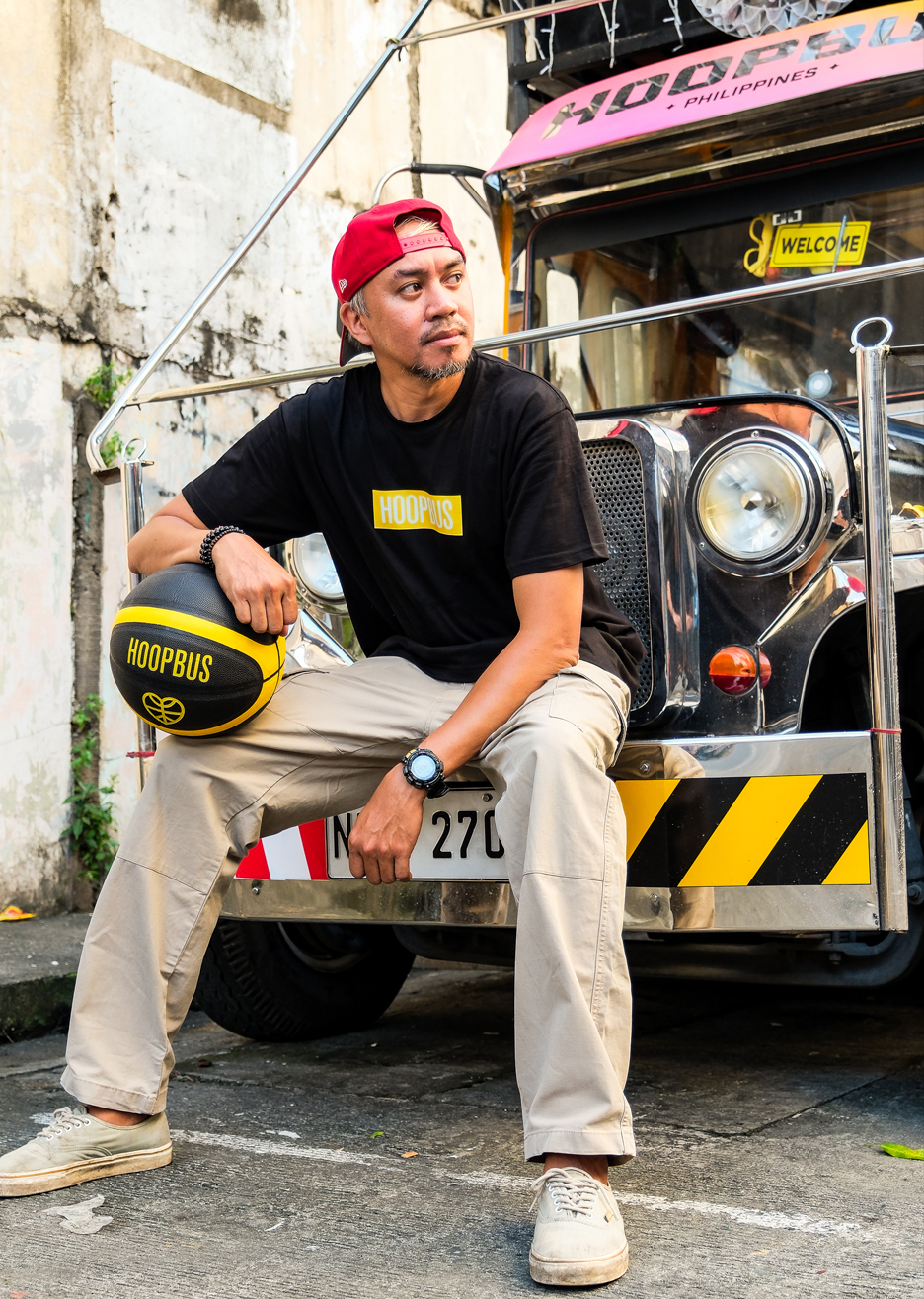
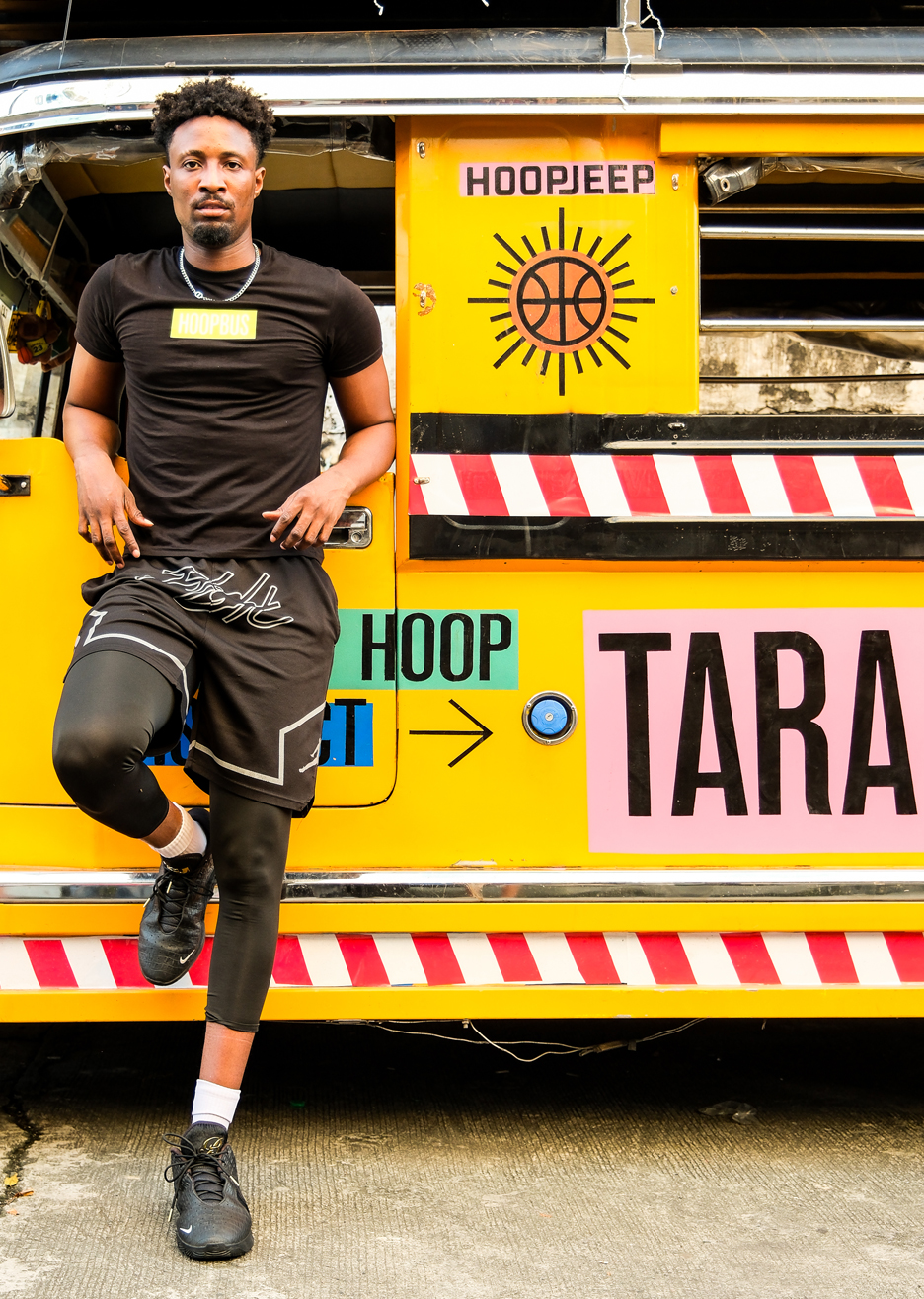
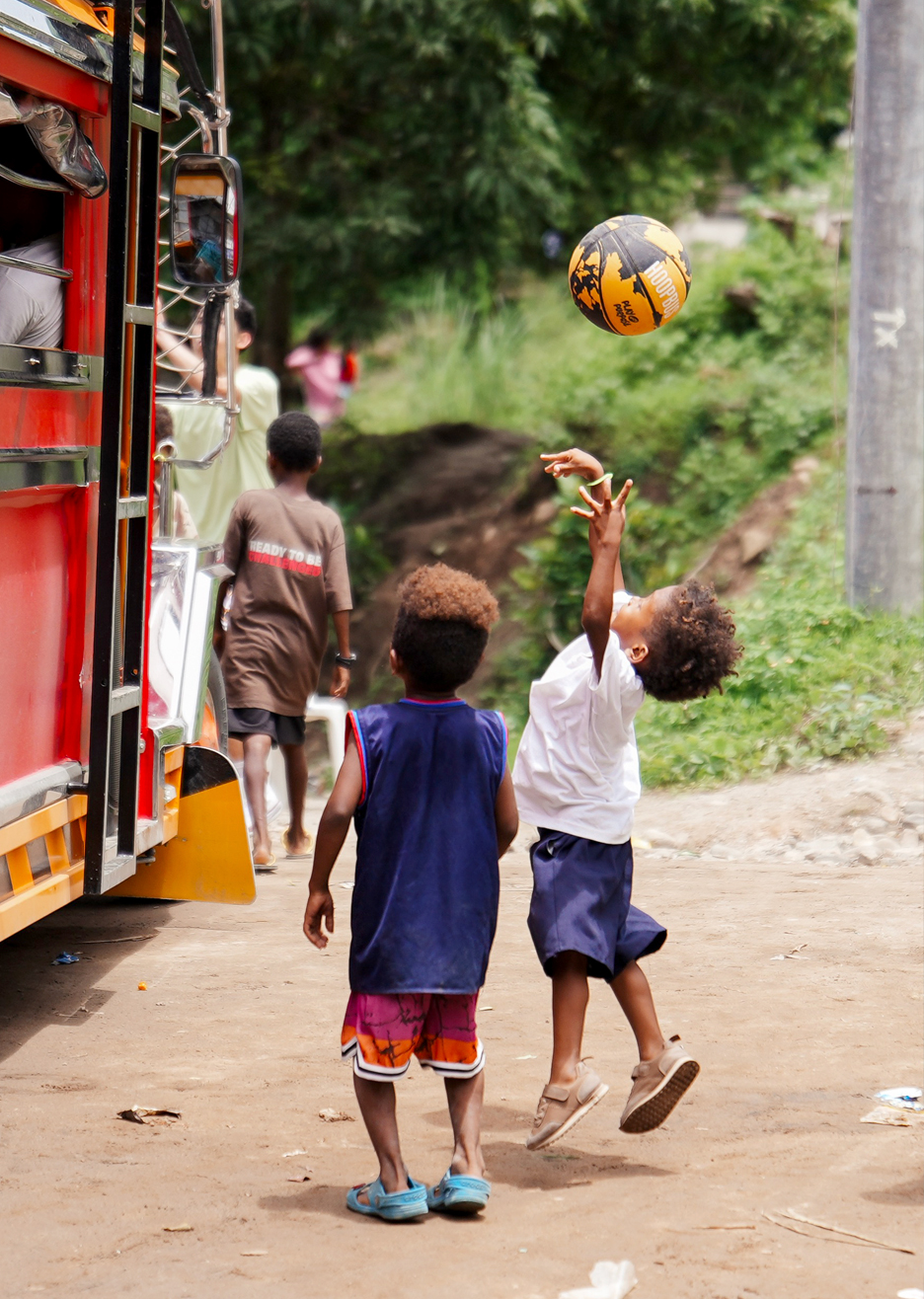
HoopJeep begins with a familiar form, the jeepney, known for its color, customization, and personal expression.
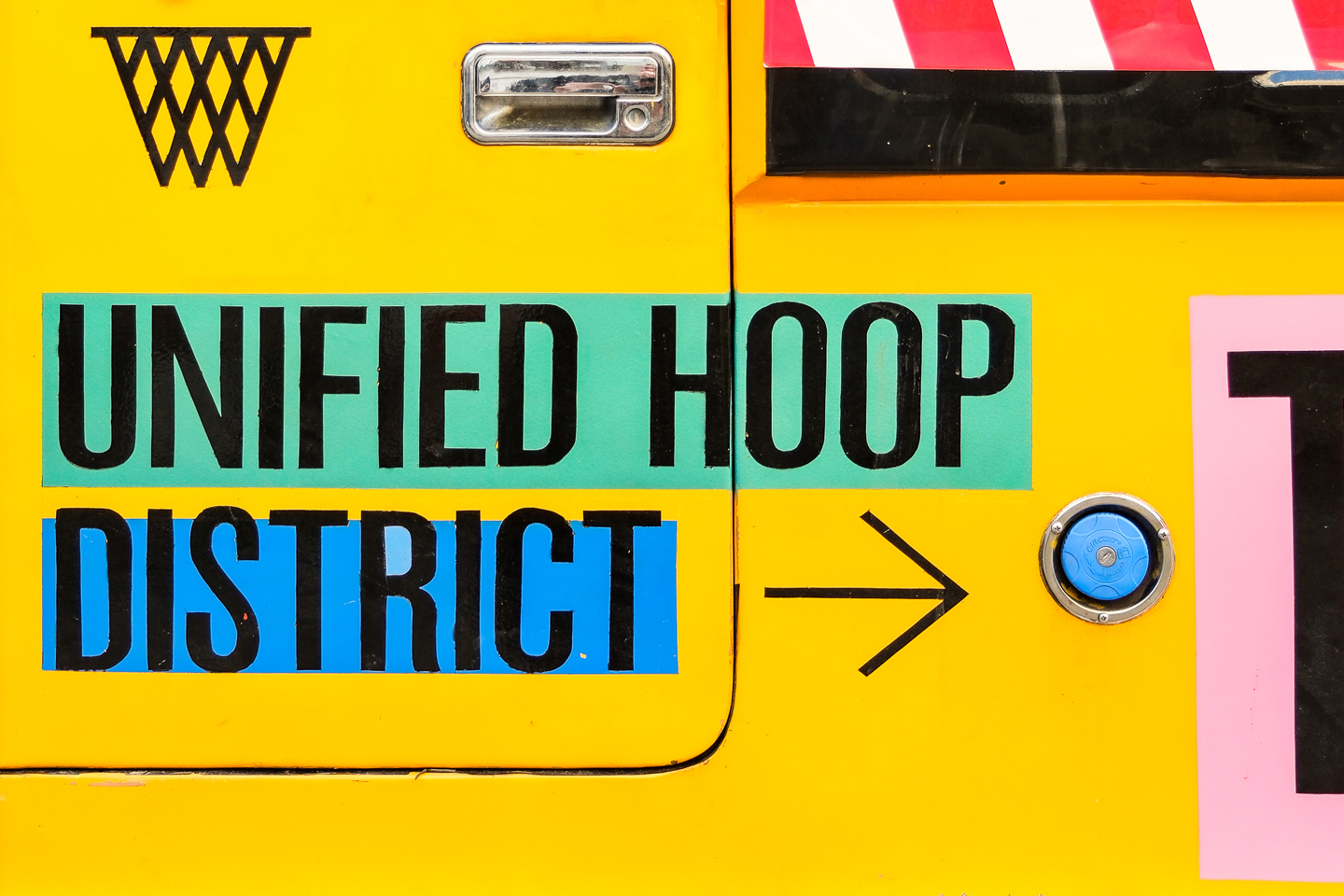
The design reinterprets that language. Graphics are built as layered marks—stacking and interacting across the surface to feel accumulated over time, more placed than printed.
Signage, symbols, and directional cues wrap the vehicle, including a custom front signboard integrated into the structure itself. The result is a moving composition. One that carries both the energy of the jeepney and the identity of HoopJeep.
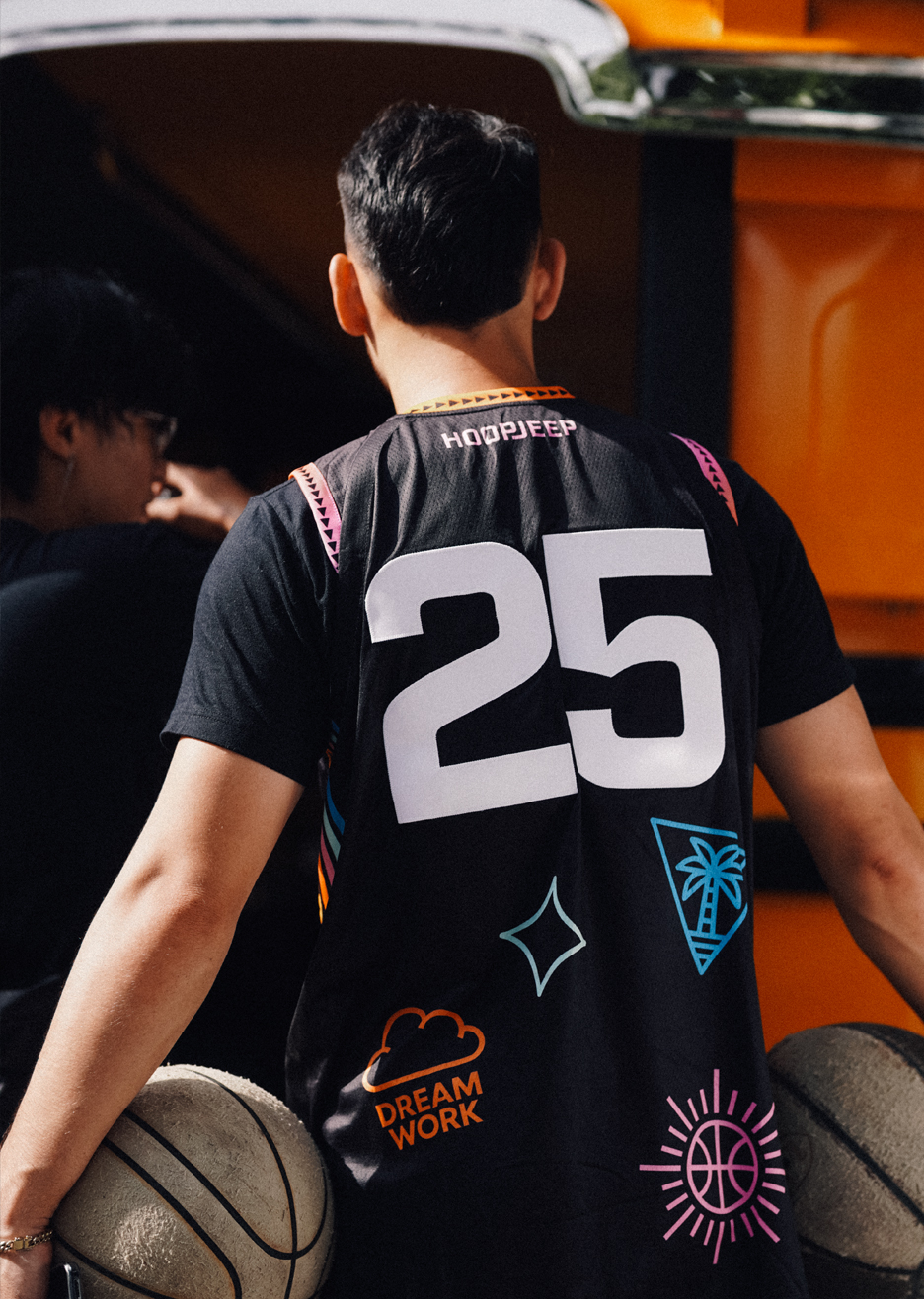
Apparel System
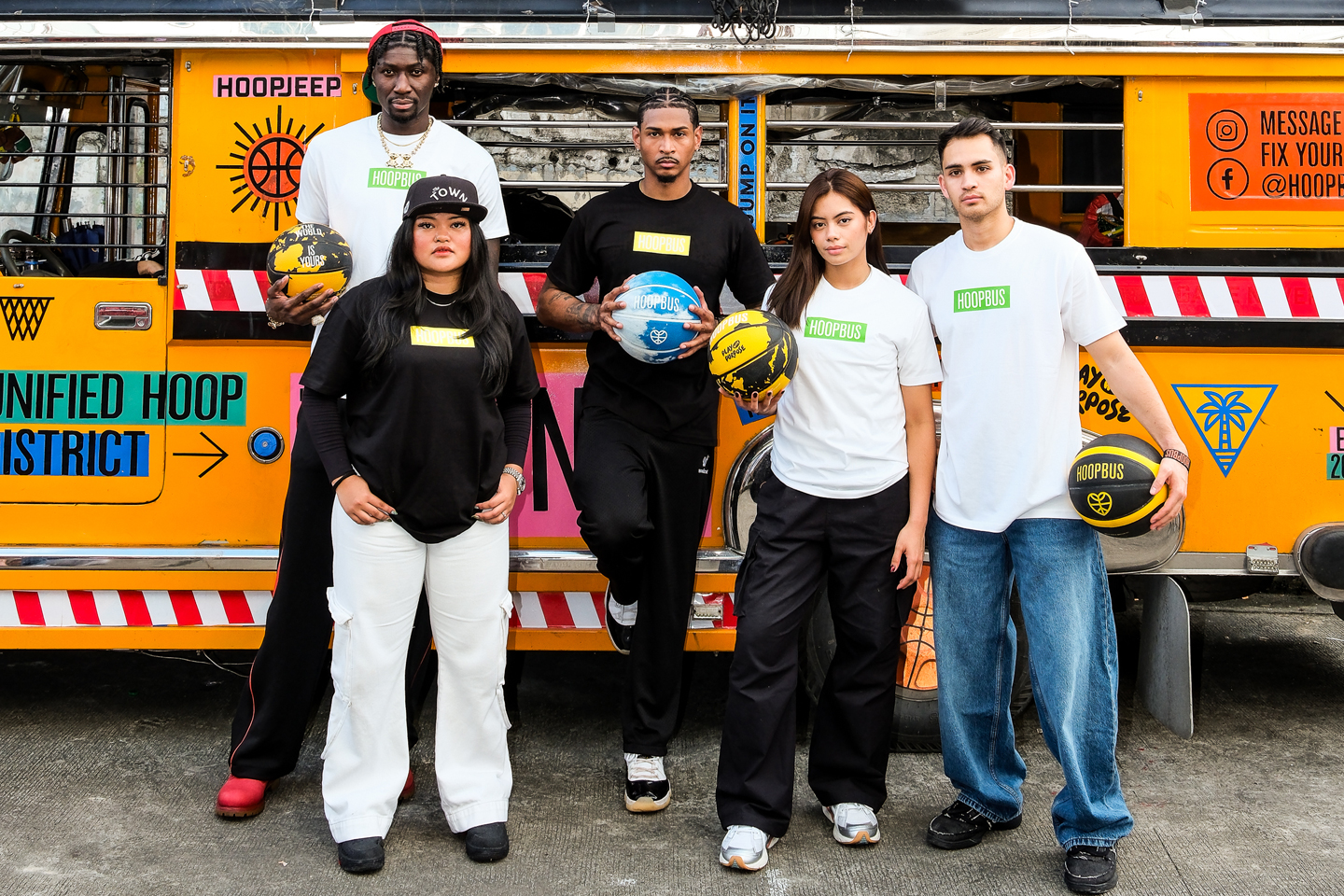
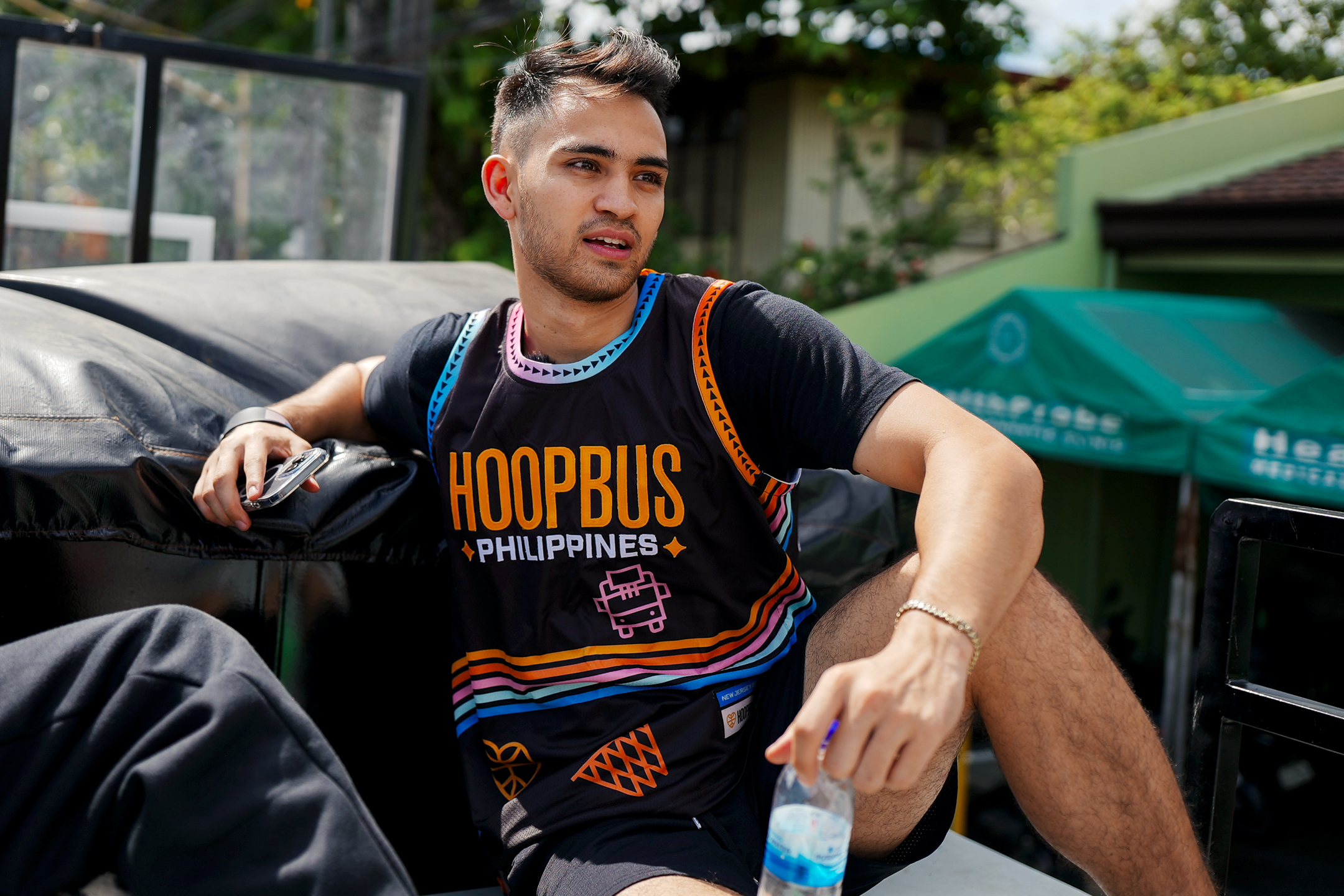
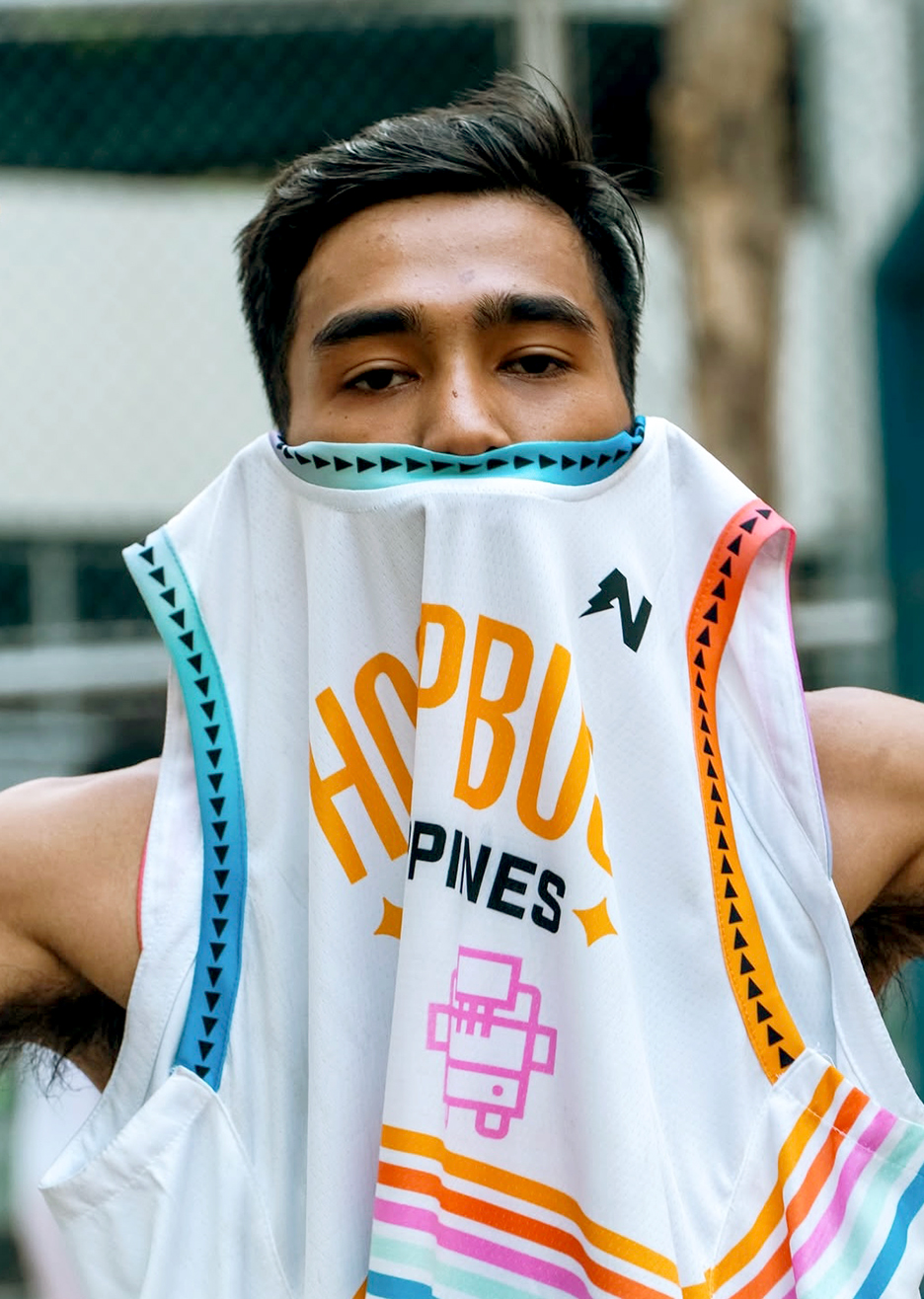
The system extends onto apparel, carrying the same visual language across formats.
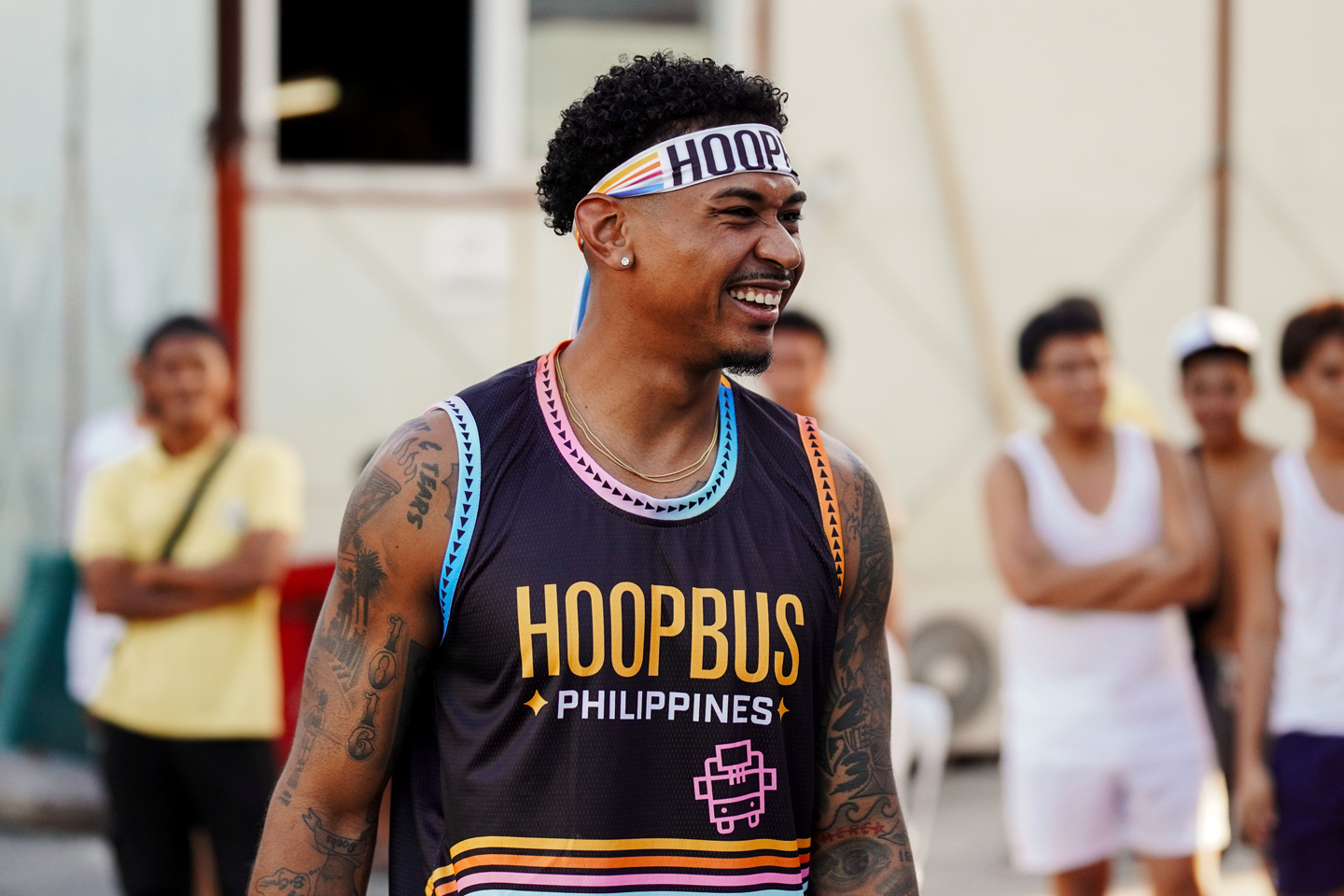
Each piece follows a shared logic. Layered marks, color bands, iconography, and modular elements move across formats, from performance jerseys to sweats, t-shirts, and short sets.
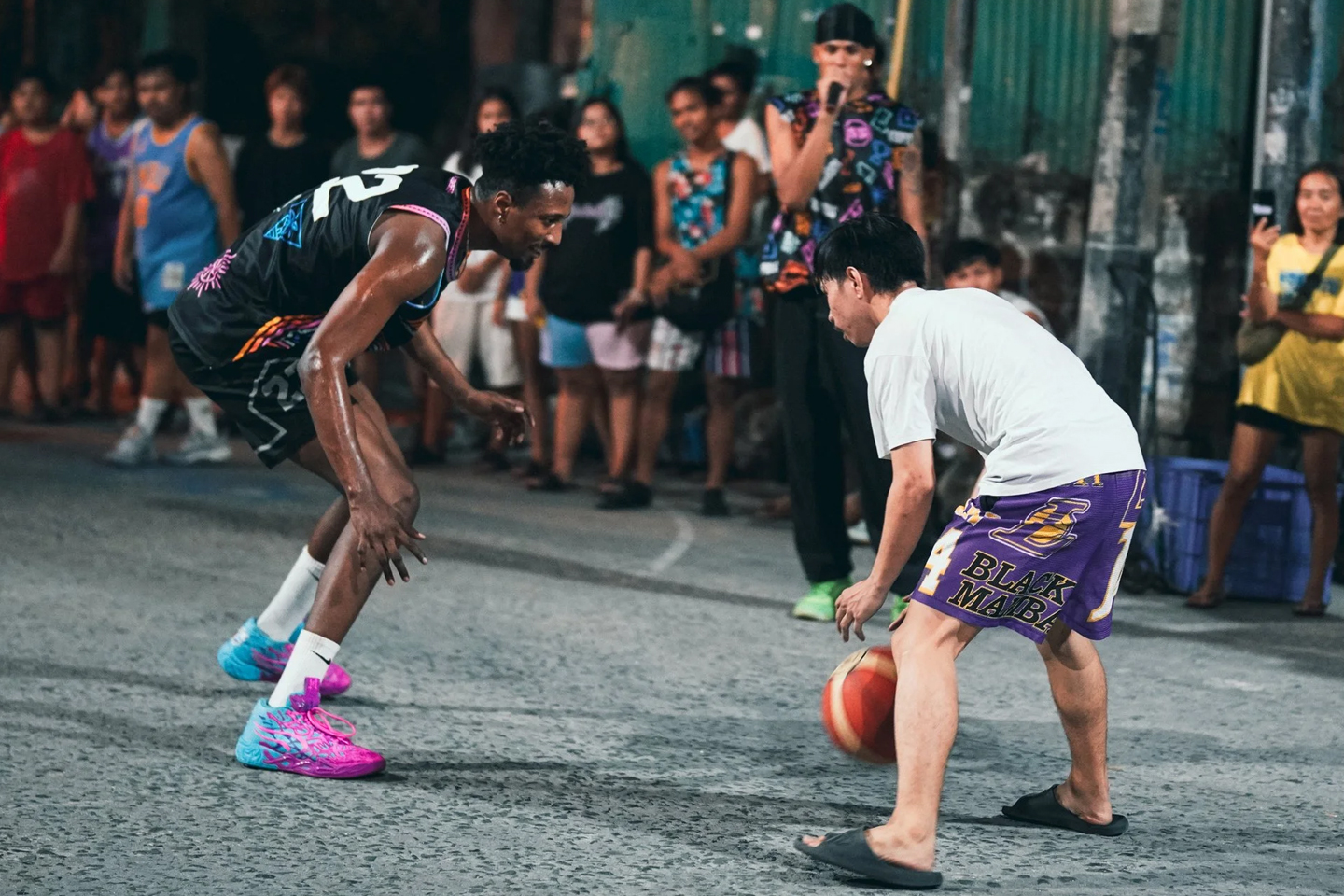
Worn in real contexts, the identity shifts from something seen to something lived, moving through games, streets, and gatherings. It’s not merchandise. It’s participation.
Objects in Play
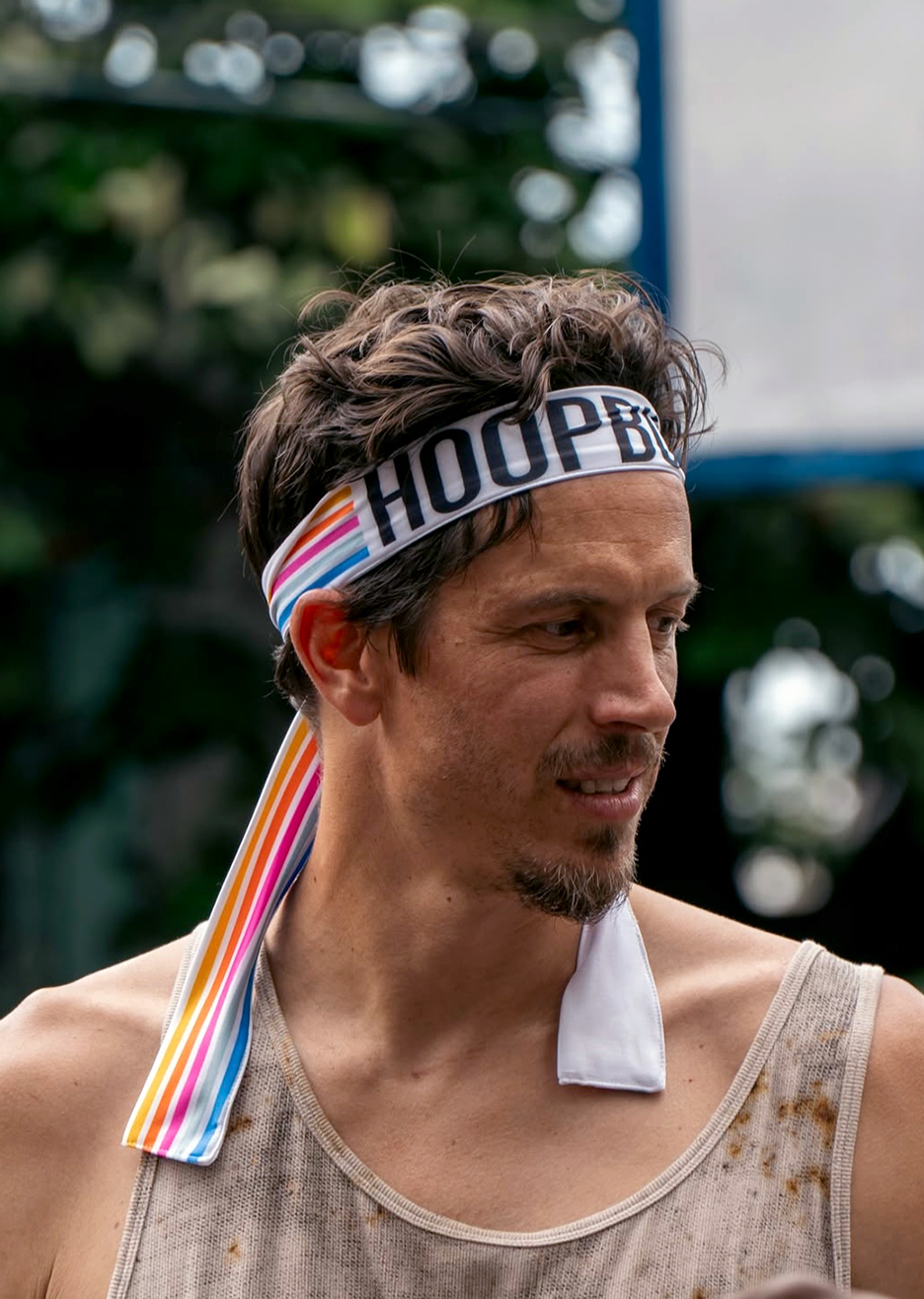
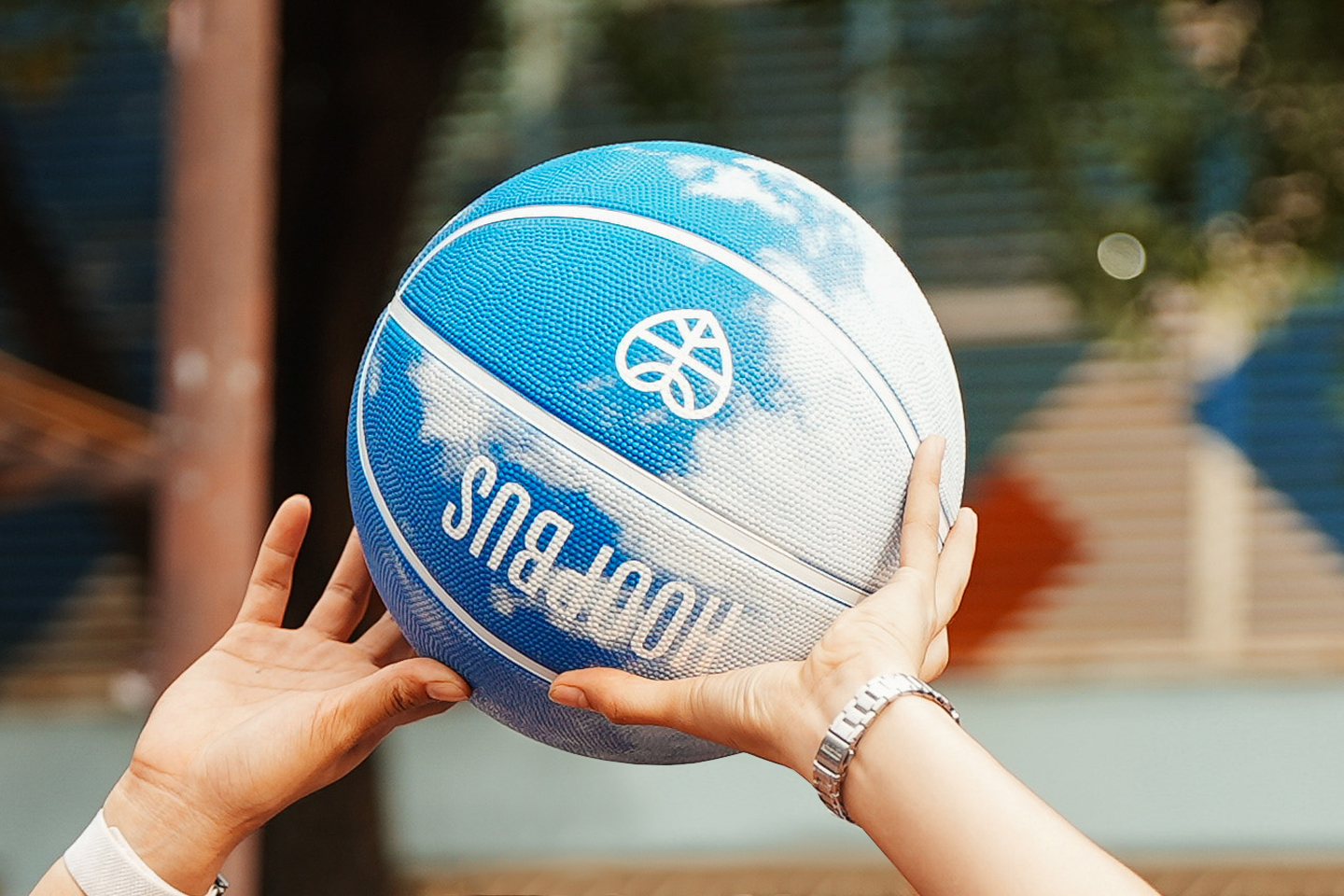
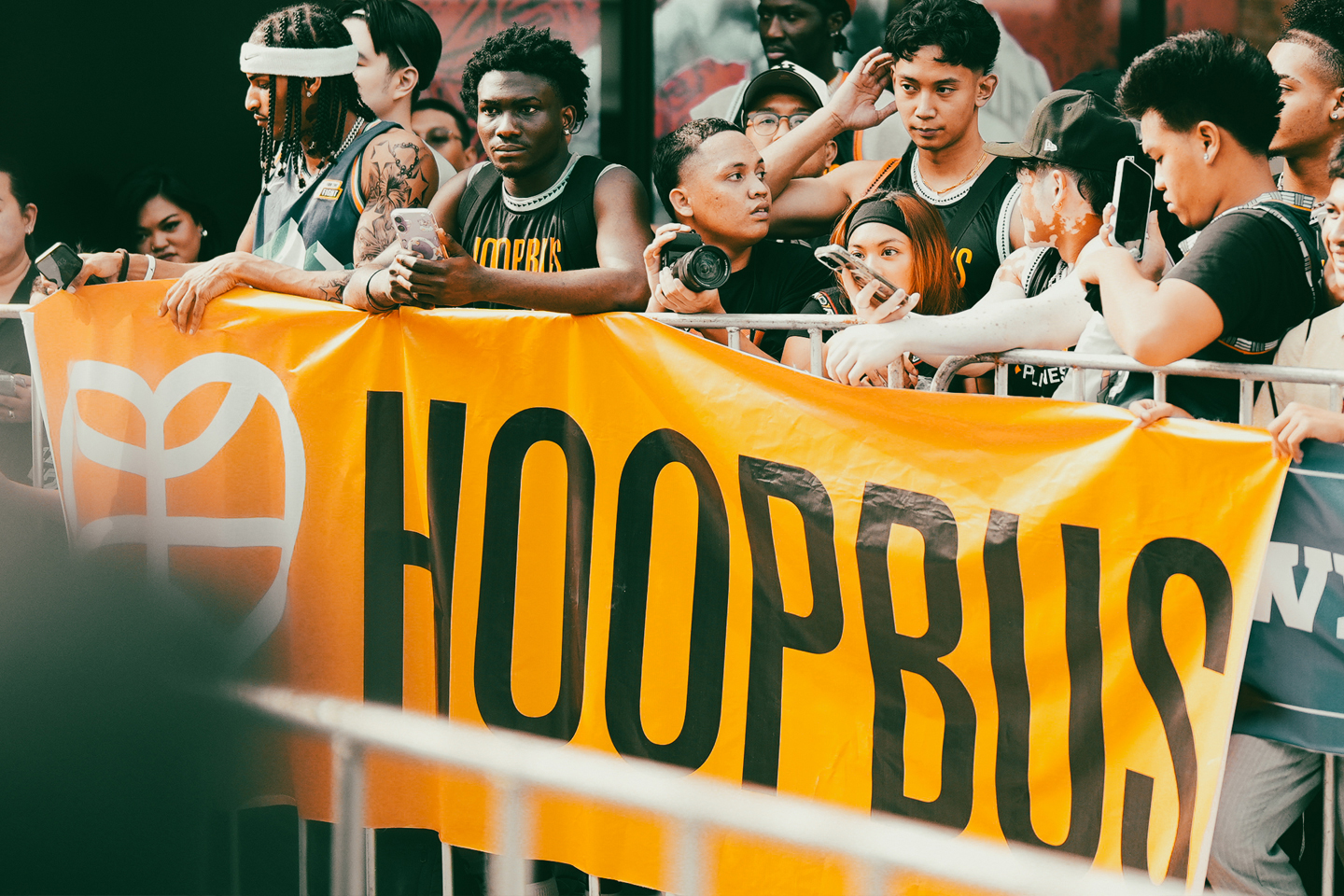
The system moves into equipment and environment through basketballs, banners, and headwear.
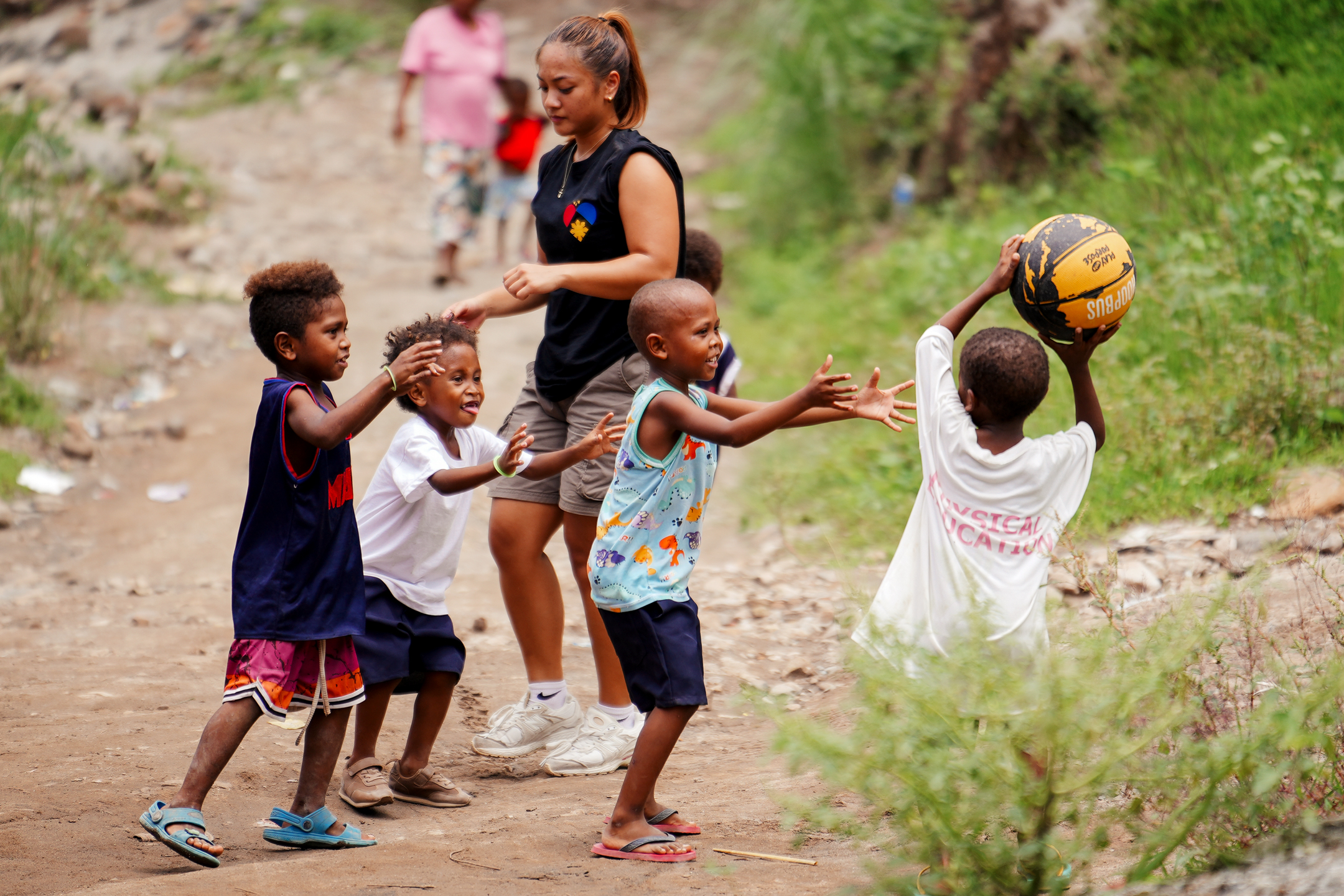
These elements are treated as functional surfaces. The basketballs carry the identity into gameplay. Banners establish presence in public space. Headwear connects players and participants to the system without relying on full uniforms.
Building from the apparel, these pieces introduce scale and interaction. They are held, passed, and positioned within real situations, extending the work beyond what is worn into use.
Identity in Action
The identity operates as intended—on the ball, on the body, and across the space where the game happens.
It moves through real moments, holding together without needing control. It is passed, worn, and becomes part of the environment. The work stays visible through the people who play, connect, and share the game.
The HoopJeep initiative was recognized by Fast Company as a 2026 World Changing Ideas Honoree (Asia-Pacific).